What changed for capability centres in India, with the publisher named, the date attached and a plain statement of what it means. Nothing here is a full article: we keep the summary and the link, and the publisher keeps the rest. Every card is published by a person, not a feed.
Updated 26 Oct 2026
You are reading the general feed. Sign in to follow topics and keep items.
Read as
We rank what you tell us above what we notice. Nothing is inferred from what you read, and you can change this at any time.
India's largest GCC base, and the hardest place to be honest about. Talent depth against attrition and salary inflation, commute and campus realities, and where the cost position actually sits relative to tier-2 alternatives. Figures are sourced and dated.
What it means
The default choice deserves the same scrutiny as the alternatives. Most Bengaluru business cases are written as if the decision were already made.
Why this item
Shown because it is recent and from a trusted source.
Guide update
The first ninety days: what actually breaks
Entity, banking, statutory registrations, office and fit-out, the first ten hires, and IT — in the order they collide rather than the order a checklist lists them. Written from a build carried from zero to 200 people, with the sequencing errors named.
Talent base, cost position, commercial real estate, state policy posture and the practical operating texture of building in Hyderabad. Telangana is running an explicit GCC push, and this guide states what is policy, what is announced, and what is neither. Every figure carries its source and date.
India entry primer: the decisions in the order they constrain each other
What has to be decided before a capability centre in India can open, in dependency order, with each step marked as required by law, usual practice or a judgement call.
An operating guide for the period after the Indian entity exists and the first hires are made: the statutory clocks that start at incorporation or at a headcount threshold, and the non-legal things that most often go wrong.
Why India: what the published figures say about building a capability centre here
The case for India as a location for a Global Capability Centre, stated only where a published source supports it: the existing GCC base, the technology workforce and graduate pipeline, office supply, the national time reference and policy. Every figure carries its source and the date it was true.
GCC Pulse publishes when something actually changes, not on a schedule. The daily digest names what was raised in your workspace since the last one and links straight to it — one message a day, and none at all on a quiet day.
We do not collect addresses on this page, and there is no list to join without an account.
Newest and most trusted first
Everything else
Ordered across the 5 most recent published items by source trust and freshness. Sign in and follow a topic to rank them against your profile.
Guide updateBengaluru
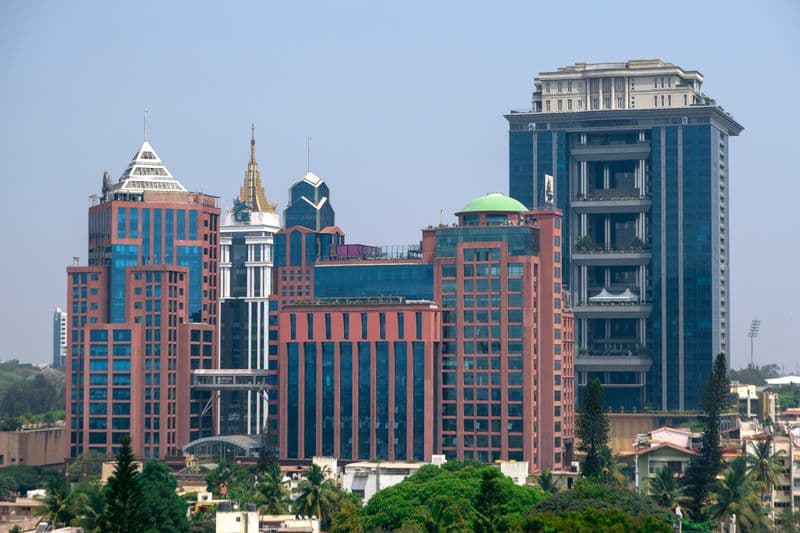
Bengaluru: the location brief
India's largest GCC base, and the hardest place to be honest about. Talent depth against attrition and salary inflation, commute and campus realities, and where the cost position actually sits relative to tier-2 alternatives. Figures are sourced and dated.
What it means: The default choice deserves the same scrutiny as the alternatives. Most Bengaluru business cases are written as if the decision were already made.
Shown because it is recent and from a trusted source.
Guide update
The first ninety days: what actually breaks
Entity, banking, statutory registrations, office and fit-out, the first ten hires, and IT — in the order they collide rather than the order a checklist lists them. Written from a build carried from zero to 200 people, with the sequencing errors named.
What it means: Every setup guide lists the same workstreams. This one says which ones block which, and where the dependency is usually discovered too late.
Shown because it is recent and from a trusted source.
Guide updateHyderabad
Hyderabad: the location brief
Talent base, cost position, commercial real estate, state policy posture and the practical operating texture of building in Hyderabad. Telangana is running an explicit GCC push, and this guide states what is policy, what is announced, and what is neither. Every figure carries its source and date.
What it means: Hyderabad is the location most often shortlisted second and chosen first. This is what the shortlist paper usually leaves out.
Shown because it is recent and from a trusted source.
Market
Nearshoring vs Offshoring vs Outsourcing: Which Model Fits a UK Firm?
ANSR compares nearshoring, offshoring and outsourcing for UK technology leaders, citing digital and technical skill shortages affecting over half of UK organisations and up to 73% in specialised sectors as of 2026.
What it means: The model comparison a UK sponsor has to make before India is even on the table. The skill-shortage figures are ANSR's own — attribute them, do not adopt them.
Shown because it is recent and from a trusted source.
Benchmark
The Future of GCCs in India 2026: Leadership, AI-Native GCCs, Talent and the Next Phase of Growth
Zinnov's outlook on India GCCs covering AI-native centres, talent density, global ownership of charters, and the locations emerging beyond the established metros.
What it means: The closest thing to a sector-level view of where GCC charters are heading. Read it before you fix a location shortlist — the emerging-location section is the part most sponsors underweight.






 Bengaluru
 Hyderabad
 Pune
 Mumbai
 Chennai
 Ahmedabad (GIFT City)